Best Near-Infrared Light Devices for Energy & Focus in 2026
July 14, 2026 · 8 min read
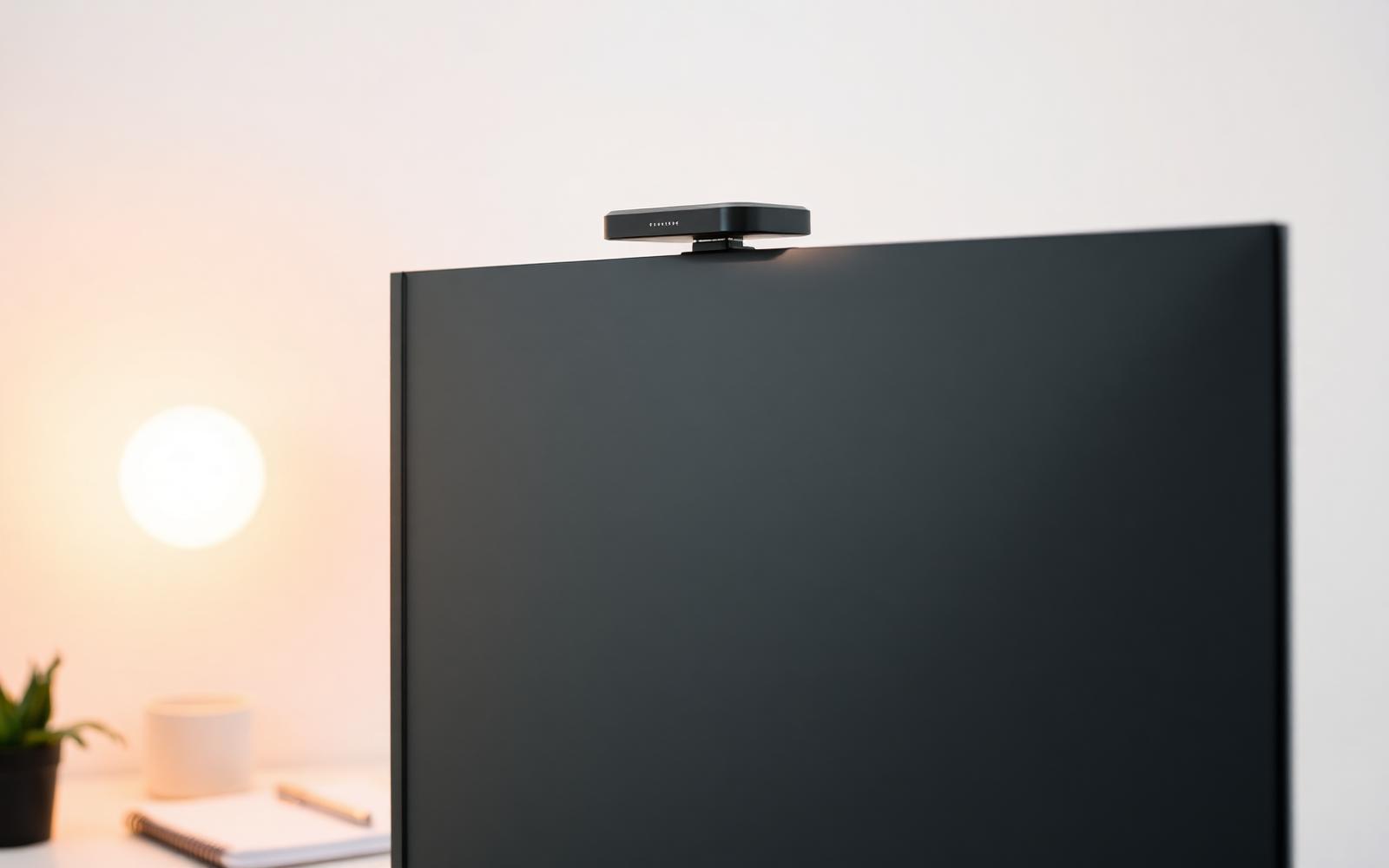
Screen time drains energy. Indoor light is missing a key part of the solar spectrum. Near-infrared (NIR) devices are designed to close that gap. They clip onto a monitor or laptop and deliver targeted light during the workday. The category is new, but it grew fast in 2026. Here's what's worth knowing.
What Is Near-Infrared Light?
Sunlight carries a wide range of wavelengths. Visible light sits in the middle. Near-infrared lies just beyond it, invisible to the eye but present in natural daylight. Indoor lighting and screens don't produce it. Cells absorb NIR light and use it to support mitochondrial function. Researchers call this photobiomodulation. Early studies link it to reduced fatigue, better mood, and support for skin and eye health. The research is still developing, but interest from wellness-tech companies has grown quickly.
SunBooster by SunLED: Review & Preview
SunBooster is the device driving most of the current NIR-for-screens conversation. It clips onto an external monitor, laptop, or tablet. Three 850 nm NIR LEDs deliver light through narrow-beam optics. Onboard sensors auto-activate the device once it detects screen use.
A full session runs two to four hours, timed to a normal work block. Power comes through a standard USB-C connection, so no separate charging is required. The device also logs weekly NIR exposure, letting users track how much light they've absorbed over time.
SunLED Life Science, the company behind it, has more than six years of R&D behind the technology, developed with Dutch universities. A university clinical study is cited as supporting evidence for improved mood and energy. The device has picked up recognition from TIME, IFA, and CES panels — a strong signal for a first-generation wellness gadget.
Best for: People who work long hours at a single desk setup and want a passive, low-effort wellness add-on.
SunBooster vs. SAD Lamp
SAD lamps (seasonal affective disorder lamps) have been the default light-therapy tool for years. They work through bright visible light, usually 10,000 lux, used for 20–30 minutes each morning. They're well studied and specifically designed to treat seasonal low mood.
SunBooster works differently. It uses near-infrared light, invisible and lower-intensity, worn passively for hours rather than in one concentrated morning session. A SAD lamp asks for a dedicated few minutes of attention. SunBooster is built to sit in the background while other work happens.
They're not solving the same problem. A SAD lamp targets circadian rhythm and seasonal mood dips through bright light exposure. An NIR device targets sustained energy and cellular support during long screen sessions. Someone dealing with winter blues may still want a SAD lamp. Someone dealing with midday screen fatigue is the more natural NIR candidate.
Near-Infrared Light vs. Red Light Therapy
These two get confused often because they sit close together on the light spectrum. Red light therapy typically uses wavelengths around 630–670 nm, popular in skincare panels and recovery devices. It's mostly used in short, concentrated sessions aimed at skin or muscle tissue.
Near-infrared light sits further along the spectrum, often around 800–850 nm, and penetrates deeper into tissue. It's used less for surface skin treatment and more for systemic effects — mood, energy, cellular function. Some devices combine both wavelengths. SunBooster stays in NIR territory, positioned specifically around whole-body wellness rather than skin treatment.
Best Desk Wellness Gadgets in 2026
NIR devices are part of a broader shift toward passive wellness at the desk — tools that work in the background instead of asking for a separate routine. Categories worth watching alongside NIR devices include:
- Posture and movement sensors that nudge users to stand or stretch during long sitting blocks.
- Air quality monitors that track CO2 buildup in small home offices.
- Blue-light-adjusting monitor overlays for evening screen use.
- Desk-mounted white noise or focus-sound devices.
NIR light devices fit naturally into this group. They ask for almost no active effort once set up, which is the common thread across all of these tools.
Is It Worth It for Heavy Indoor Workers?
People who spend most of the day at a screen, especially through darker months or in low-light offices, are the clearest fit for a device like this. The passive design is the main selling point — no separate routine, no time carved out of the day. For someone already glued to a monitor for hours, adding NIR exposure costs nothing extra in time.
It's a newer category, though, and long-term independent research is still limited. Anyone expecting dramatic, immediate results may be disappointed. It fits best as a supporting habit — alongside good sleep, natural light exposure when possible, and regular breaks — not a replacement for those basics.
Frequently asked questions
Interested in trying SunBooster?
There's no affiliate program active yet, so this link goes straight to the brand's official product page. We'll update with a retail partner link once one is available.
Check availability on SunBoosterSunBooster has no active affiliate program yet. This article will be updated with pricing, shipping details and affiliate links once a partner program is confirmed.