Should We Wait for the Clair Health Bracelet?
July 9, 2026 · 5 min read
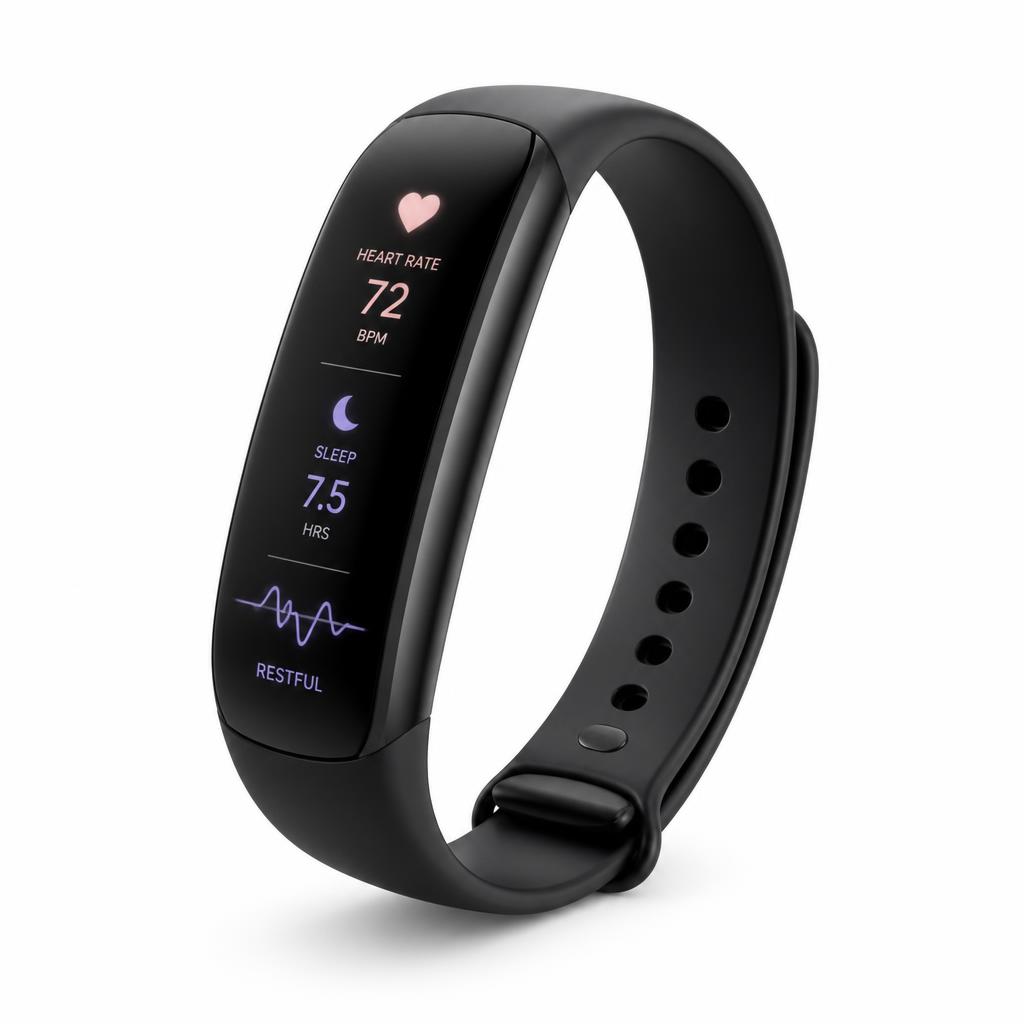
Every so often, a wearable comes along that gets health nerds talking before it's even shipping. The Clair Health Bracelet is the latest of those — a slim wristband promising continuous, non-invasive vitals tracking with a level of biomarker depth that today's rings and watches don't quite match.
The pitch is compelling: heart rate, HRV, sleep, skin temperature, and — reportedly — hydration and stress biomarkers, all from a single strap you never take off. On paper it reads like a mash-up of Oura's continuous wear, Whoop's recovery science, and an Apple Watch-style display. That's a lot of promises for a device that's still pre-launch.
What's Actually Known
Very little is confirmed. Clair has released renderings, a few teaser posts, and aspirational spec sheets. There's no firm launch date, no reviewer units in the wild, and no independent validation of the biomarker claims. The company positions the device as a "medical-grade" wearable — a phrase that means very different things depending on which regulator you ask.
The Hard Part: Non-Invasive Biomarkers
The biggest technical claim — continuous hydration and stress biomarker readings — is also the hardest to deliver. Multiple well-funded startups have promised non-invasive glucose, hydration or cortisol tracking from a wristband. Most have quietly walked those claims back. Wrist optics are noisy, motion messes with signal quality, and turning raw waveforms into medically useful numbers is genuinely difficult.
None of that means Clair can't do it. It just means: skepticism is healthy until real data from real users lands in independent reviews.
Should You Wait?
If you already have a good wearable — Oura Ring 5, Whoop 5, Apple Watch, RingConn Gen 2 — keep using it. The gap between "cool concept" and "reliable daily driver" for a new wearable is usually 12–18 months post-launch. Firmware matures. App bugs get ironed out. The community validates the numbers.
If you don't have anything yet, buying a proven device today gets you data you can actually act on. You can always add Clair later once it's real.
What Would Change Our Mind
- Peer-reviewed or third-party validation of the biomarker claims
- A confirmed launch date with public pricing
- Reviewer units shipped to independent outlets (not just influencers)
- A published battery life figure under normal continuous wear
Not available yet
The Clair Health Bracelet is not on the market. We'll publish a full hands-on review once units are shipping and we've had time to compare it against the Oura Ring 5 and Whoop 5 side-by-side.
Frequently asked questions
Editorial note: this article contains no affiliate links. Image is a concept render, not an official product photo.