Dexcom G7: The Sensor That Makes Glucose Monitoring Effortless
July 10, 2026 · 6 min read
Check the price on Amazon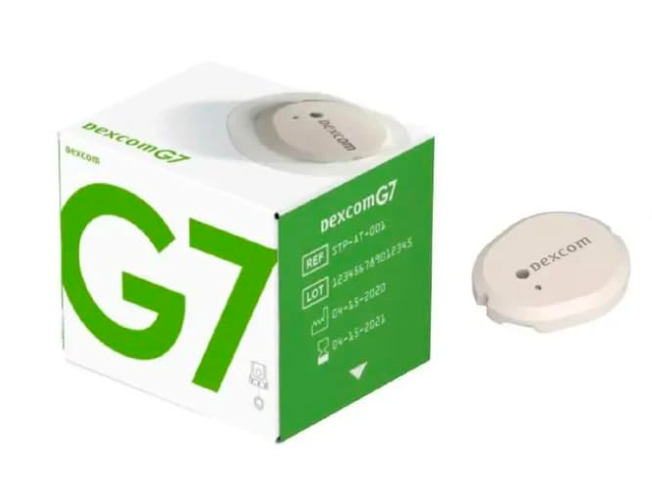
A closer look at continuous glucose monitoring, simplified.
Checking blood sugar used to mean needles, strips, and constant interruptions. The Dexcom G7 changes that story. It sits quietly on the skin. It reads glucose levels around the clock. It sends the numbers straight to a phone. For people managing diabetes, that shift matters more than it sounds.
What Is the Dexcom G7?
The Dexcom G7 is a continuous glucose monitor, often shortened to CGM. It replaces the old routine of finger pricks with a small wearable sensor. The sensor attaches to the back of the arm or the abdomen. It measures glucose in the fluid just under the skin, not the blood itself.
A tiny filament sits beneath the surface. It stays there painlessly. Readings update every few minutes. No second device is needed to see the data, since everything streams to a compatible smartphone app.
How the Sensor Works
Application takes seconds. The applicator does the work, pressing the sensor and filament into place in one motion. There is no separate transmitter to attach, since the electronics are built into the sensor itself. That single-piece design is one of the biggest upgrades over earlier Dexcom generations.
Once active, the sensor warms up briefly before readings begin. From there, it tracks glucose trends continuously. Arrows show whether levels are rising, falling, or holding steady. That trend data often matters more than a single number, since it shows direction rather than just a snapshot.
Key Features Worth Knowing
Wear time spans multiple days per sensor, reducing the frequency of changes needed. Alerts can be customized, so notifications fire only when glucose moves outside a chosen range. Sharing features allow a partner, parent, or caregiver to follow readings remotely, bringing real peace of mind to families managing diabetes together.
The sensor is also built for daily life. It withstands showers, swimming, and exercise. Its low profile sits closer to the skin than earlier models, making it easier to forget it is there.
Who Benefits Most
People living with type 1 diabetes rely on continuous data to manage insulin dosing safely. People with type 2 diabetes use it to understand how food, movement, and stress shift their glucose in real time. Some users without diabetes explore CGMs purely for metabolic insight, curious about how their body responds to different meals and habits.
Anyone new to CGMs tends to notice the same thing first: fewer finger pricks, more awareness. That awareness often becomes the real value, since patterns emerge that a single daily reading could never reveal.
Traditional Monitoring vs. Continuous Monitoring
A standard glucometer gives one number, one moment in time. A CGM gives hundreds of data points across a single day. That difference reshapes how decisions get made, from meal timing to activity planning.
Traditional testing still has its place, especially as a backup. But for anyone chasing a fuller picture of their glucose patterns, continuous monitoring closes gaps that spot-checking simply cannot.
Getting Started
Setup begins with the compatible app, paired to a smartphone, before the sensor goes on. Placement matters. The back of the upper arm is the most common site, chosen for comfort and signal consistency. Rotating sites between sensors helps keep skin healthy over time.
A short adjustment period is normal. Readings may feel slightly delayed compared to blood glucose during the first hours. That settles quickly, and most users find the rhythm within a day or two.
Dexcom G7 Sensor
All-in-one CGM sensor with applicator · multi-day wear · streams to smartphone.
Shop on AmazonFrequently asked questions
Affiliate disclosure: links may earn a small commission at no extra cost to you. The Dexcom G7 is a medical device — always follow your clinician's guidance.