How Accurate Are Smartwatches for Calories and Heart Rate in 2026?
July 21, 2026 · 9 min read
Smartwatches promise a lot: continuous heart rate monitoring, calorie counting, recovery scores, and a real-time picture of your body's performance. But how accurate are they, really — and does that accuracy hold up equally for everyone?
New research and independent 2026 testing suggest the answer is more nuanced than marketing pages let on. Body fat percentage, skin tone, and even the brand of watch you wear can each shift the numbers you see on your wrist.
Calories: The Number You Probably Shouldn't Trust
Multiple peer-reviewed studies over the past few years — and echoed in 2026 reviews — put smartwatch calorie estimates off by anywhere from 30% to 90%. That's not a rounding error. That's the difference between a controlled deficit and a plateau.
The reason is simple: watches don't measure calories. They estimate them from heart rate, movement, and personal data you enter (age, weight, height). Every step in that chain adds error.
Heart Rate: More Accurate, But Not for Everyone
Optical heart rate sensors work by shining green LED light into the skin and reading how blood pulses through capillaries. For steady exercise on light skin with a snug fit, they're impressively good.
Two variables consistently reduce accuracy:
- Skin tone. Melanin absorbs green light. On darker skin, less signal reaches the sensor, and accuracy — especially during high-intensity intervals — drops.
- Body fat and wrist fit. Higher body fat and a looser wrist band both interfere with the optical signal. A tighter, higher-on-the-wrist fit helps measurably.
Accuracy by Activity: Side-by-Side
Switch between activity types to see how each watch performs. Ratings reflect typical mean absolute percentage error (MAPE) against chest-strap ECG for heart rate and indirect calorimetry for calories. Excellent = under 5% error, Good = 5–10%, Fair = 10–20%, Poor = above 20%.
Running, cycling, brisk walking at a consistent pace.
| Device | Steady Cardio | Detail |
|---|---|---|
| Apple Watch Series 11 | Excellent | <3% MAPE |
| Garmin Venu 4 | Excellent | <4% MAPE |
| Fitbit Sense 2 | Good | 5–9% MAPE |
| Samsung Galaxy Watch 8 | Good | 6–10% MAPE |
Sources: 2026 aggregated results from independent wearable labs and peer-reviewed comparisons. Individual results vary with skin tone, wrist fit, and body composition.
How the Big Four Compare in 2026
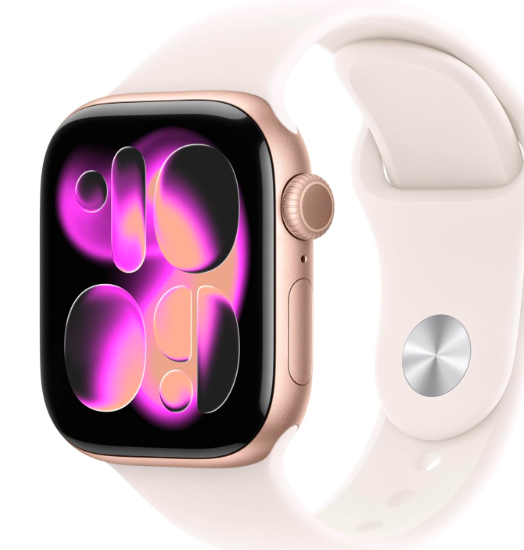
Apple Watch Series 11
Consistently rated among the most accurate wrist-based heart rate monitors in independent 2026 reviews, especially for steady-state cardio.
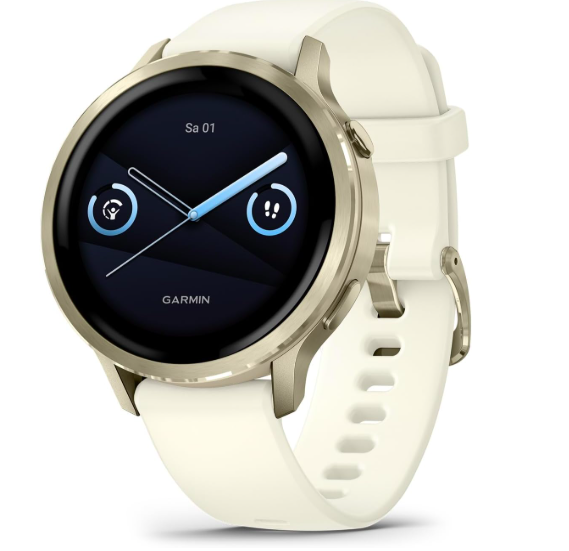
Garmin Venu 4
Sport-first tracker with strong optical HR performance and advanced training metrics. A favorite among runners and cyclists.
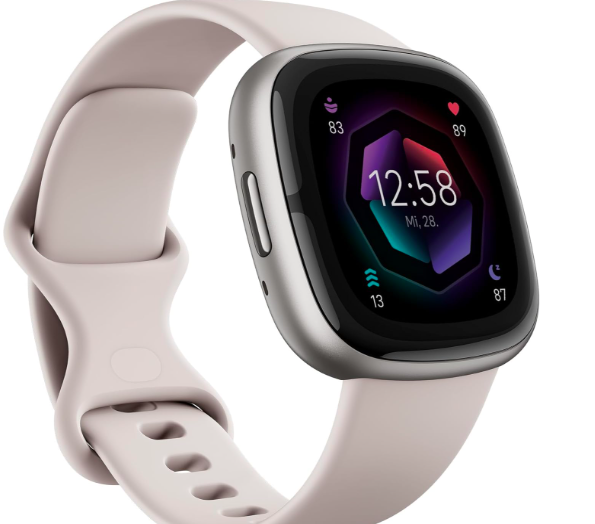
Fitbit Sense 2
Health-focused smartwatch with continuous EDA stress tracking, ECG and SpO2. Solid HR at rest; less reliable in high-intensity intervals.
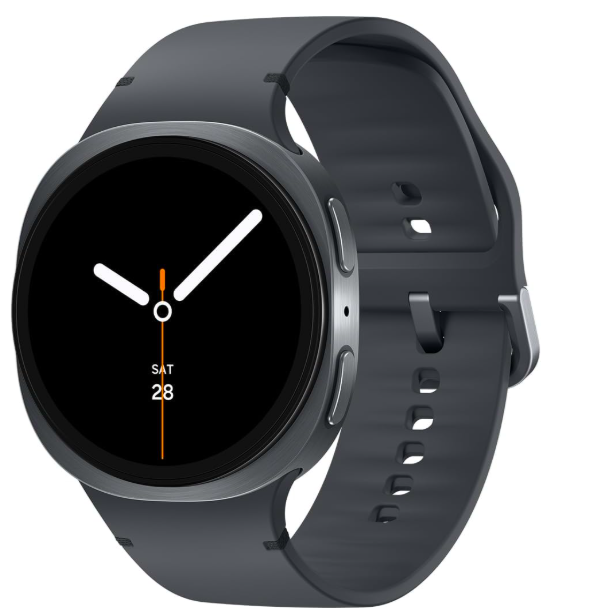
Samsung Galaxy Watch 8
AI running coach and body composition features. HR is generally accurate for steady exercise; less so during rapid pace changes.
How to Get the Best Data From Your Watch
- Wear the watch a finger's width above the wrist bone, snug but not painful.
- For serious training data, pair a chest strap for interval and HIIT sessions.
- Enter accurate height, weight and age — the calorie model depends on it.
- Treat calorie numbers as trends, not absolutes.
- Recalibrate expectations if you have darker skin or higher body fat: use HR zones and perceived exertion as backup.
The Honest Verdict
In 2026, smartwatches are excellent motivation tools and decent training companions. They're not lab equipment. Heart rate is broadly reliable for steady exercise on most people; calorie tracking is a rough estimate at best; and both are less accurate on darker skin, higher body fat, or with a loose fit.
The best watch is the one you'll actually wear consistently. Use it to spot patterns, not to chase exact numbers.
Frequently asked questions
Disclosure: This article contains affiliate links. If you purchase through these links, VitalHub may earn a small commission at no extra cost to you.