Best LED Face Masks in 2026: Which One Is Actually Worth Buying?
June 7, 2026 · 10 min read
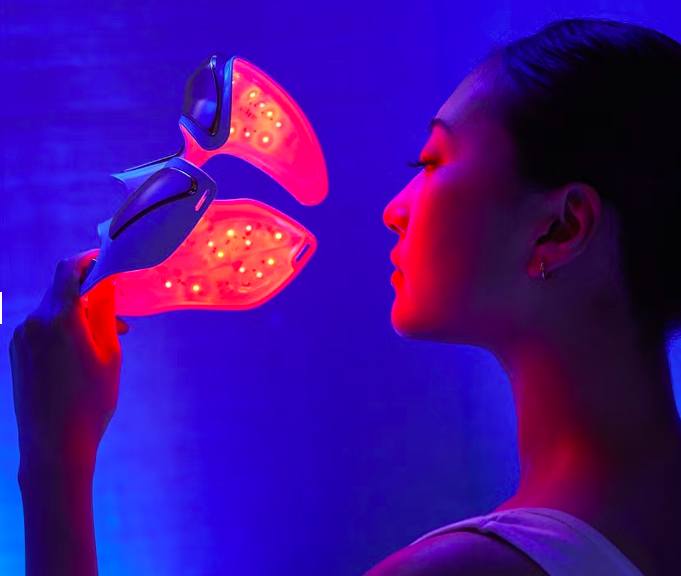
I'll be honest with you. When I first saw LED face masks all over TikTok, I thought it was another one of those things. Looks impressive on camera. Does basically nothing in real life.
But then I kept seeing them come up — not just from influencers, but in dermatology conversations, biohacking communities, and actual clinical research. So I decided to stop dismissing them and actually understand what's going on.
Here's what I found after going deep on three of the most popular models right now: iRestore, Silk'n and Dr. Dennis Gross.
What Does an LED Face Mask Actually Do?
An LED mask sends specific wavelengths of light into your skin. Different colors, different depths, different effects. It's not magic — it's photobiomodulation, which is a fancy way of saying light stimulates cellular activity.
The three main types you'll see:
- Red light — the anti-aging one. Linked to collagen support, fine lines, texture, and overall skin quality.
- Blue light — the acne one. Targets bacteria that live on the skin surface.
- Near-infrared — goes deeper than red light. Associated with recovery, healing, and what the biohacking crowd loves to call "cellular repair."
This is gym logic for your skin. You don't go once and see abs. You go consistently for weeks, and gradually things shift. Most people start noticing something after 3 to 4 weeks. Deeper wrinkle changes take longer.
Does Red Light Therapy Work for Skin?
Short answer: for many people, yes. Especially for fine lines, dull skin, uneven texture, mild acne, and general skin quality over time. It won't erase deep wrinkles overnight. It won't fix severe acne on its own. But consistent use over weeks genuinely moves the needle.
How Often Should You Use an LED Face Mask?
Most brands say 3 to 5 times per week, 10 to 20 minutes per session. If you're just starting out, keep it simple: 3 sessions a week, 10 minutes each, clean skin, no heavy products underneath. Consistency beats intensity every single time.
Blue Light vs Red Light: Which Do You Need?
Red light is your anti-aging tool. Fine lines, collagen, elasticity, glow. Blue light is your acne tool. The best masks combine both — plus near-infrared — so you're not locked into one concern.
iRestore LED Face Mask
This one looks like a medical device. Which, honestly, is part of its appeal. It has 360 LEDs, covers the full face, and combines red, blue, and near-infrared wavelengths. For someone serious about anti-aging and long-term results, it's one of the more powerful at-home options available.
Best for: Anti-aging focus, full-face coverage, people who want clinical-grade tech at home.
Worth knowing: $399.99 at current pricing (50% off list). Significant shipping costs to Europe. Bulkier than softer mask designs.
Rating: 4.5/5
Silk'n LED Face Mask
Silk'n takes the opposite approach. Cleaner design, simpler interface, more approachable experience. And for beginners, that actually matters. It's less powerful than iRestore. Fewer advanced features. But if your goals are glowing skin, simple anti-aging support, and an easier home routine — Silk'n is genuinely worth considering.
Best for: Beginners, casual users, people who want simple and comfortable over powerful.
Worth knowing: More affordable entry point. Less intimidating design. Good starting point before committing to premium.
Rating: 3.8/5
Dr. Dennis Gross LED FaceWare Pro
This one became famous through influencers, skincare YouTubers, and premium beauty communities. Visually, it's the most polished of the three. A significant part of what you're paying for is the branding. Dr. Dennis Gross is a recognized name in dermatology. If you care about owning something that looks beautiful, feels luxurious, and comes with strong social proof, this might be your pick.
Best for: Luxury skincare buyers, influencer-adjacent aesthetics, those who value premium branding.
Worth knowing: The most expensive of the three. Strong name recognition. Elegant but not necessarily more effective.
Rating: 4/5
Is an LED Face Mask Safe to Use at Home?
Yes — if you stick to reputable brands and follow the instructions. The main concerns are eye exposure, skin sensitivity, and overheating. Established brands design around these issues. What I'd avoid: ultra-cheap, unbranded masks from random marketplaces.
Which One Should You Buy?
- Just getting started? → Silk'n. Lower commitment, easier to use.
- Ready to go all in? → iRestore. Full face, multiple wavelengths, strong science.
- Want the luxury experience? → Dr. Dennis Gross. Premium feel, recognizable name.
Final Thoughts
LED face masks aren't going away. The biggest mistake I see is buying the most expensive option without understanding what you actually need. An $80 Silk'n used consistently three times a week will outperform a $500 mask that sits on your nightstand. Start with the right tool for your level. Then be consistent.
Frequently asked questions
Affiliate disclosure: links may earn a small commission at no extra cost to you. I only recommend products I genuinely think are worth considering.