Oura Ring 5 Review 2026: Is It Worth It or Should You Buy Oura Ring 4?
A size-first upgrade, tested against its predecessor and the rest of the smart ring field.
July 8, 2026 · 9 min read
Oura's fifth-generation ring arrived earlier than expected, and it leads with one clear promise: size. The Ring 5 is built around a smaller, lighter housing than the Ring 4, without giving up battery life or core tracking features. Multiple independent reviewers have now spent weeks with the ring, comparing it directly against the Ring 4 on the same hand. Their findings are consistent enough to draw a clear picture of who should upgrade, who should skip it, and how it stacks up against rival smart rings.
What Actually Changed in the Ring 5
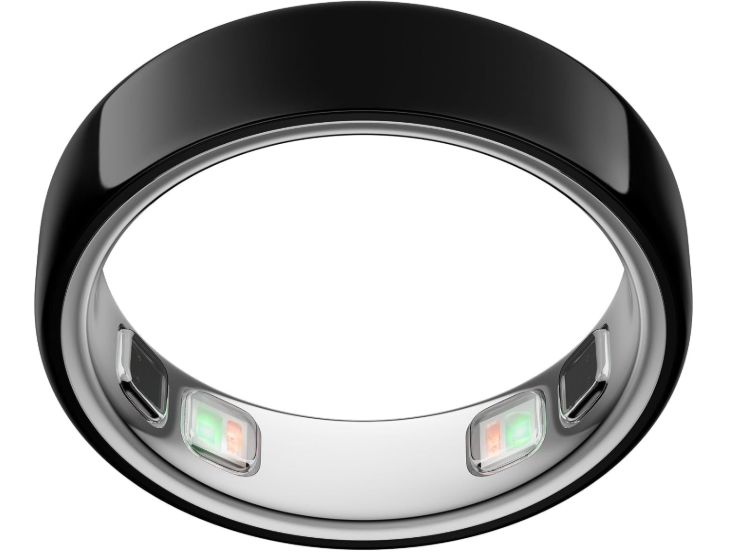
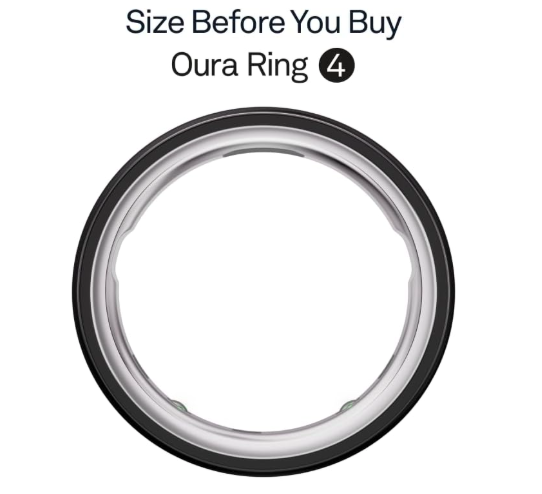
The headline change is physical. The Ring 5 measures roughly 6.09 millimeters wide and 2.28 millimeters thick, compared with the Ring 4's 7.9 to 7.99 millimeters wide and 2.88 millimeters thick. Weight drops as well, starting around 2 grams versus a minimum of 3.3 grams on the Ring 4. Oura describes the reduction as roughly 40 percent smaller overall, and reviewers who tested both rings side by side confirm the difference is immediately noticeable on the finger, not just on a spec sheet.
Battery life moved in the opposite direction that a smaller body would suggest. The Ring 5 lasts between six and nine days per charge, an improvement over the Ring 4's five-to-eight-day range. Oura achieved this by redesigning the internal battery, sensor layout, and LED intensity, even though the number of physical signal pathways dropped from 18 on the Ring 4 to 12 on the Ring 5. The company's position is that stronger, repositioned sensors compensate for fewer pathways and improve accuracy across a wider range of finger sizes and skin tones, a claim reviewers are still stress-testing.
Build material stays the same: aerospace-grade titanium. What is new is a physical vapor deposition coating intended to improve scratch resistance, an area where the standard Ring 4 was frequently criticized. The Ring 5 ships in six colors, split into two standard finishes (Silver and Black) and four premium finishes (Brushed Silver, Stealth, Gold, and the newly introduced Deep Rose, which replaces the previous Rose Gold colorway).
Shop Oura Ring 5 on AmazonOura Ring 5 vs. Oura Ring 4: Side-by-Side Specs
| Spec | Oura Ring 5 | Oura Ring 4 |
|---|---|---|
| Width | 6.09 mm | 7.90–7.99 mm |
| Thickness | 2.28 mm | 2.88 mm |
| Weight | From ~2 g | 3.3–5.2 g |
| Battery life | 6–9 days | 5–8 days |
| Signal pathways | 12 | 18 |
| Build material | Titanium (PVD coating) | Titanium |
| Editions | Standard only | Standard + Ceramic |
| Colors | 6 (incl. Deep Rose) | 5 (incl. Rose Gold) |
| Membership required | Yes, for full features | Yes, for full features |
Comfort and Everyday Wear
The smaller footprint is where most reviewers say the Ring 5 earns its upgrade. Wearers who found the Ring 4 noticeable, particularly overnight or during workouts involving grip, describe the Ring 5 as far less intrusive. Several testers noted they had forgotten they were wearing it at all, which matters for a device that depends on consistent, uninterrupted wear to generate reliable sleep and readiness data. The reduced size also makes it easier to pass off as a regular ring rather than an obvious wearable.
Where the Ring 5 Falls Short
Workout tracking remains a weak point. One long-term reviewer found that heart rate data collected live during a workout does not sync to third-party apps like Strava at all, with the entire workout file missing rather than just the heart rate figures. This limitation is not new to the Ring 5, but it persists into the latest generation and is worth knowing before relying on the ring for structured training.
No new health-sensing features were introduced with this generation. The improvements are entirely about size, comfort, and modest accuracy refinements, not new metrics. Anyone expecting a leap in functionality over the Ring 4 will not find one here.
Who Should Upgrade, and Who Should Skip It
Current Ring 4 owners who are comfortable with its size have little reason to rush an upgrade, since the underlying feature set is unchanged. The Ring 5 is a stronger case for first-time buyers, and especially for anyone who previously ruled out a smart ring because it felt bulky. Reviewers who tested both generations consistently point to hand size and finger comfort as the deciding factor, more than any single new spec.
Alternatives Worth Comparing
Buyers weighing the Ring 5 against competitors are typically comparing it to three other rings: the RingConn Gen 2 Air, built around a subscription-free model; the Samsung Galaxy Ring, which integrates closely with the Galaxy ecosystem; and the Ultrahuman Ring Air, another subscription-free option focused on metabolic and sleep tracking. Oura remains the only major smart ring brand that requires an ongoing membership to unlock full functionality, a recurring point of friction for buyers comparing the total cost of ownership rather than the ring itself.
Frequently asked questions
This article reflects independent testing and reporting from multiple technology outlets and is intended for informational purposes.
Affiliate disclosure: links may earn a small commission at no extra cost to you.