Soundcore SleepLab Pro: Can Radar Track Your Sleep Without a Wearable?
September 4, 2026 · 5 min read
Sleep tracking has always meant wearing something. A ring, a watch, a pair of earbuds — something has to touch your body for the data to happen. Anker’s new Soundcore SleepLab Pro is betting that assumption is about to change.
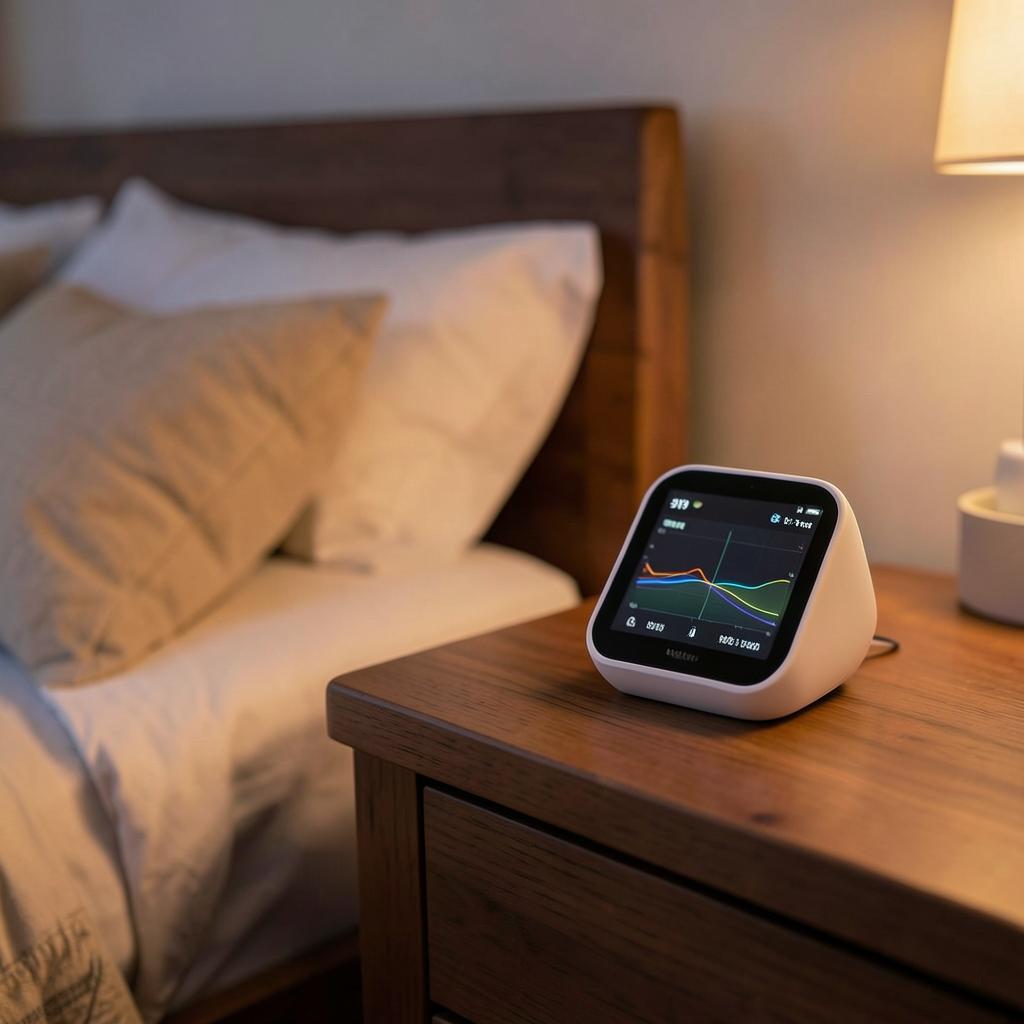
Unveiled at IFA 2026, the SleepLab Pro sits on your nightstand instead of your wrist or finger, and it claims to track your sleep just as well without ever touching you. Here’s how it actually works, and what to make of the claims.
No Wearable, No Contact — Just Radar
The SleepLab Pro uses 60GHz millimeter-wave radar to sense tiny movements while you sleep — the rise and fall of your chest, the rhythm of your pulse, subtle shifts as you move through the night. From that, it claims to track breathing rate, heart rate, and four distinct sleep stages, all from a device sitting a few feet away on your nightstand.
For anyone who’s ever taken off a smart ring or sleep watch because it felt uncomfortable in bed, that’s a genuinely appealing pitch. No strap, no charging it before bed, no forgetting to wear it.
It’s Also a Sound and Light Machine
The SleepLab Pro isn’t just a sensor — it’s built to actively help you fall asleep, too. It comes with over 180 built-in white-noise and relaxation sounds, plus ambient lighting that adjusts to help you wind down. There’s also a 28-day adaptive program that’s supposed to learn which combination of sound and light works best for you over time, then lean into it.
Anker also sells a standard SleepLab without the radar tracking, focused purely on sound, lighting, and alarms — the Pro is the version to look at if the contactless health tracking is the draw.
Can It Tell You Apart From Your Partner?
One of the more interesting claims is that the SleepLab Pro can isolate one person’s sleep data even when two people share a bed, using a signal-separation approach the company has patented. That’s a genuinely hard problem for a device that isn’t touching either person, and it’s the kind of claim worth treating carefully until independent testing confirms how well it actually holds up.
No Subscription Required
Unlike a lot of sleep tech that gates its best features behind a monthly fee, Anker says the SleepLab Pro’s core tracking functions don’t require a subscription. That’s a meaningful point of difference in a category where recurring costs have become the norm.
What’s Still Unconfirmed
Pricing hasn’t been officially finalized, and reports on availability have varied since the IFA announcement. The safest approach right now is to treat both as pending until Anker publishes final details. Independent, real-world accuracy testing against wearables is also still to come — a compelling pitch on a stage is one thing, a full night of validated data is another.
Is It Worth Watching?
If you’ve ever wanted sleep data without wearing anything to bed, the SleepLab Pro is one of the more interesting products to come out of IFA 2026. The radar approach is genuinely novel, the sound-and-light features add real value beyond tracking, and skipping the subscription model is a welcome change. Just treat the accuracy claims as unproven until reviewers get their hands on a unit and compare it against established wearables.
Frequently asked questions
Gadgets · July 30, 2026
Garmin CIRQA vs Fitbit Air: Which Screenless Tracker Fits?
wearablesleepno subscriptionReadGadgets · July 25, 2026
Screenless Fitness Tracker with No Subscription: Guide
wearablesleepno subscriptionReadGadgets · August 31, 2026
Ultrahuman Ring PRO: 15-Day Battery, No Subscription
wearablesleeprecoveryReadGadgets · August 8, 2026
Best Screenless Fitness Trackers 2026: Ranked
wearablescreenlesssleepRead