Zinc + Vitamin C: The Combo I Take Every Morning
June 3, 2026 · 6 min read
I ignored zinc for years. Seemed basic. Boring, even.
Then my skin kept breaking out. Every cold hit me hard. My energy was flat even after a full night of sleep.
I started reading. Zinc kept coming up. So I tried it.
The Form Matters More Than You Think
Most zinc supplements use zinc oxide or zinc gluconate. They're cheap. They're also not great at getting into your bloodstream.
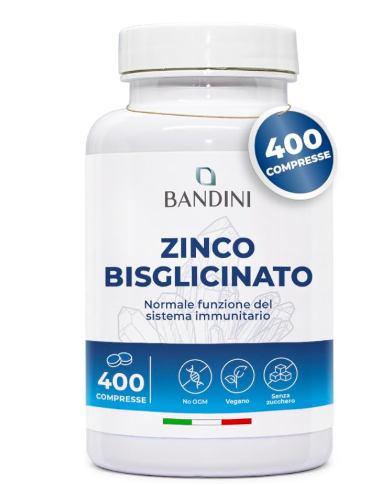
Zinc bisglycinate is different. Your body treats it like a protein. It bypasses the usual absorption roadblocks in your gut.
The result? In a controlled study, zinc bisglycinate was 43.4% more bioavailable than zinc gluconate.
That's not a small margin. I don't want to pay for something my body barely uses. So bisglycinate was the obvious choice.
What Zinc Actually Does
Most people think of immune support. That's true. But zinc does a lot more.
It's involved in over 300 enzymatic reactions. Immune function, skin health, cognitive function — it's in all of it.
For immunity, it supports the production of natural killer cells, T lymphocytes, and B lymphocytes. These are your frontline defense cells.
For skin: zinc may help manage acne and support wound healing and cell repair.
There's also a mood angle I didn't expect. Research links lower zinc levels to depressive and anxiety symptoms. That flat, depleted feeling I had? It fits.
Why I Added Vitamin C
I didn't just want zinc. I wanted it to actually work well.
Zinc handles immune cell signaling and barrier integrity. Vitamin C provides antioxidant protection and supports collagen production. They cover different angles — and they cover them better together.
For skin specifically, vitamin C builds collagen, which keeps skin firm. Zinc supports cell turnover and repair. Together, they can improve texture, reduce blemishes, and promote a healthier appearance overall.
There's also an absorption benefit. Vitamin C may improve how much zinc your intestine actually absorbs. So they make each other more effective. Not just complementary — actively synergistic.
What I Take
Bandini Zinc Bisglycinate. One tablet per day, with breakfast. 25mg per tablet, bisglycinate form, 400 tablets. Vegan, no unnecessary extras.
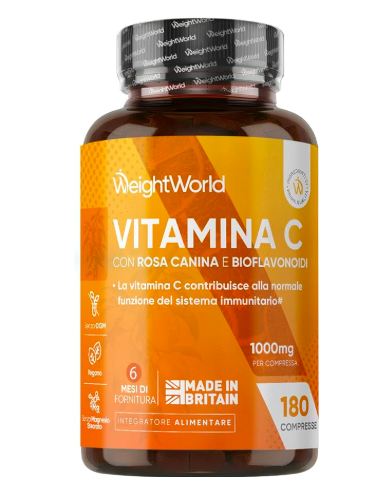
For vitamin C, I keep it simple. 500–1000mg in the morning, same time as the zinc.
One thing I learned the hard way: take both with food. Zinc on an empty stomach causes nausea. I can confirm this personally.
WeightWorld Vitamin C 1000mg
With rose hip & bioflavonoids, made in Britain.
Check on AmazonWhat I Noticed
No dramatic transformation. Supplements don't work like that.
After about six to eight weeks: fewer skin breakouts. Faster recovery when I did get one. I made it through a full month without getting sick while people around me were down with colds.
Could be a coincidence. Probably partly is. But I kept going either way.
Honest Limitations
If your diet is already rich in zinc — red meat, shellfish, legumes — supplementing may not move the needle much.
Long-term zinc supplementation can interfere with copper absorption. A 15:1 zinc-to-copper ratio is the commonly cited guideline to keep in mind.
And 25mg is a solid daily maintenance dose. It's not a clinical treatment. If you suspect a real deficiency, get blood work done first.
Bottom Line
Zinc bisglycinate is a good product. The form is right. The price is fair. A year's supply in one bottle removes the hassle of constantly reordering.
Pair it with vitamin C. Not because it's complicated. Because the science is clear — they work better together.
That's a simple stack worth keeping.
Affiliate disclosure: links may earn a small commission at no extra cost to you. I only recommend products I personally use.