Apple Readiness Score Explained
September 11, 2026 · 5 min read
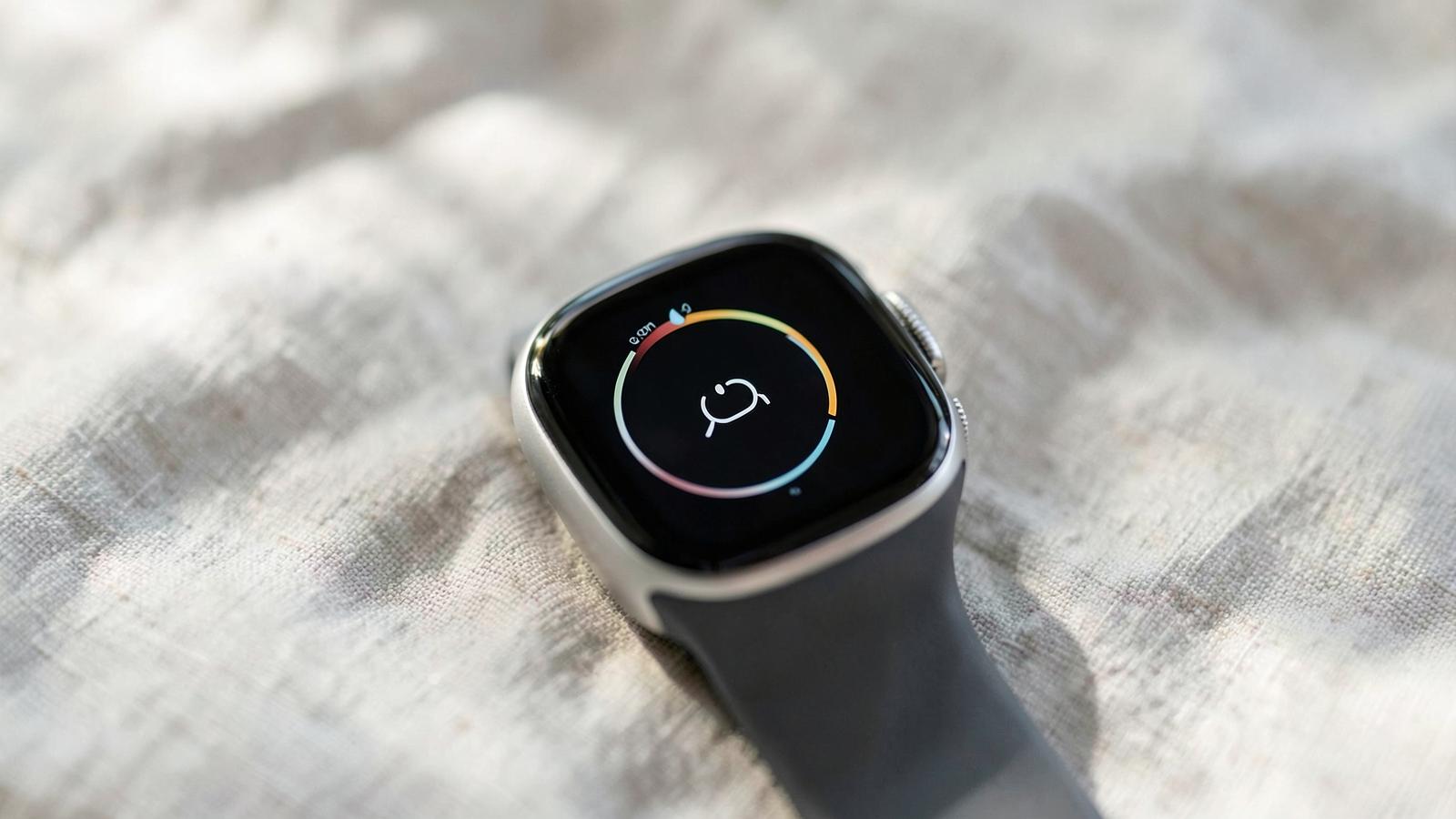
Apple finally answered a question wearable brands like Oura and Whoop have been answering for years: should today be a push day or a recovery day? The new Readiness score, launched alongside the Health Sensing System, turns a pile of scattered health data into one number that actually tells the body’s story.
What the Readiness Score Actually Is
Readiness is a daily score from 0 to 10, built from four inputs: recent activity, training load, vitals, and sleep. Instead of leaving someone to interpret raw heart rate or sleep numbers on their own, Apple translates all of it into a single, plain-language recommendation:
- Recover
- Pace Yourself
- Ready
- Go For It
No guesswork. No spreadsheet of metrics to cross-reference. Just a number and a next step.
How the Score Is Calculated
The score draws on overnight and daytime data the watch is already collecting, weighted together into one output.
- Recent activity — pulled from Activity rings and logged workouts
- Training load — how demanding recent exercise has been, cumulatively
- Vitals — including HRV, resting heart rate, respiratory rate, and blood oxygen
- Sleep — duration and quality from the most recent night
Apple hasn’t published the exact weighting between these four factors, so the score should be read as a helpful signal, not a precise formula.
Why It Needs New Hardware
Readiness depends on frequency, not just data type. The new Health Sensing System reads background heart rate every 5 seconds and HRV as often as every 5 minutes — a dramatic jump compared to older Apple Watch models. Apple also separates out Recovery HRV specifically, comparing overnight readings against a personal baseline rather than a generic population average.
This is why Readiness is exclusive to Series 12 and Ultra 4, even though older watches already track HRV, heart rate, sleep, and training load. The volume and precision of the new sensor data is what makes the score meaningful.
The Score Updates During the Day
Readiness isn’t a fixed morning verdict. It shifts as new information comes in — an intense workout, a change in daytime vitals, or a shorter night of sleep can all move the number before the day is over. Tapping into the score also shows exactly which factors are driving it, so adjustments feel explainable instead of arbitrary.
What Readiness Is Not
It’s worth being clear-eyed here: Readiness is a wellness estimate, not a clinical measurement. Apple hasn’t published outcome data showing that following its recommendations actually improves training results, recovery speed, or injury prevention. Treat the score as a helpful daily nudge, not medical guidance.
Apple Readiness Score: At a Glance
| Spec | Detail |
|---|---|
| Score range | 0 to 10, updated through the day |
| Recommendations | Recover, Pace Yourself, Ready, Go For It |
| Input 1 — Recent activity | Activity rings and logged workouts |
| Input 2 — Training load | Cumulative demand of recent exercise |
| Input 3 — Vitals | HRV, resting heart rate, respiratory rate, blood oxygen |
| Input 4 — Sleep | Duration and quality from the most recent night |
| Heart rate sampling | Background reading every 5 seconds |
| HRV sampling | As often as every 5 minutes |
| Supported devices | Apple Watch Series 12 and Ultra 4 only |
Weighing up the hardware itself? Compare Series 12 against Series 11 to see whether the new sensors justify an upgrade.
Frequently asked questions
Gadgets · September 11, 2026
Apple Watch Series 12 vs Series 11: Is It Worth Upgrading?
smartwatchwearableapple watchReadGadgets · September 11, 2026
Apple Watch Series 12 vs Ultra 4: Which Should You Buy?
smartwatchwearableapple watchReadGadgets · August 31, 2026
Apple Watch Series 12 Review: A Health Upgrade, Not a Redesign
smartwatchwearableapple watchReadGadgets · September 4, 2026
Apple Watch Series 12: Everything We Know Before September 9
smartwatchwearableapple watchRead