Best Screenless Fitness Trackers 2026
Updated October 2026 · 6 min read
This article contains affiliate links. If you buy through them, we may earn a commission at no extra cost to you.
Quick picks
| Best for | Pick | Price |
|---|---|---|
| Best value | Fitbit Air | $99 |
| Best for Garmin users | Garmin CIRQA | $199 |
| Best AI-first, no subscription | Luna Band | $149 |
| Most unusual feature | Actxa Spark Band | $149 |
| Best for athletes | WHOOP 5.0 | From $199/year |
Screenless trackers are the fastest-growing corner of wearables. No display, no notifications, just sensors quietly collecting sleep, heart rate and recovery data. The catch is that the category is split between subscription-free bands and membership models. Here are five worth considering this year.
What is a screenless fitness tracker?
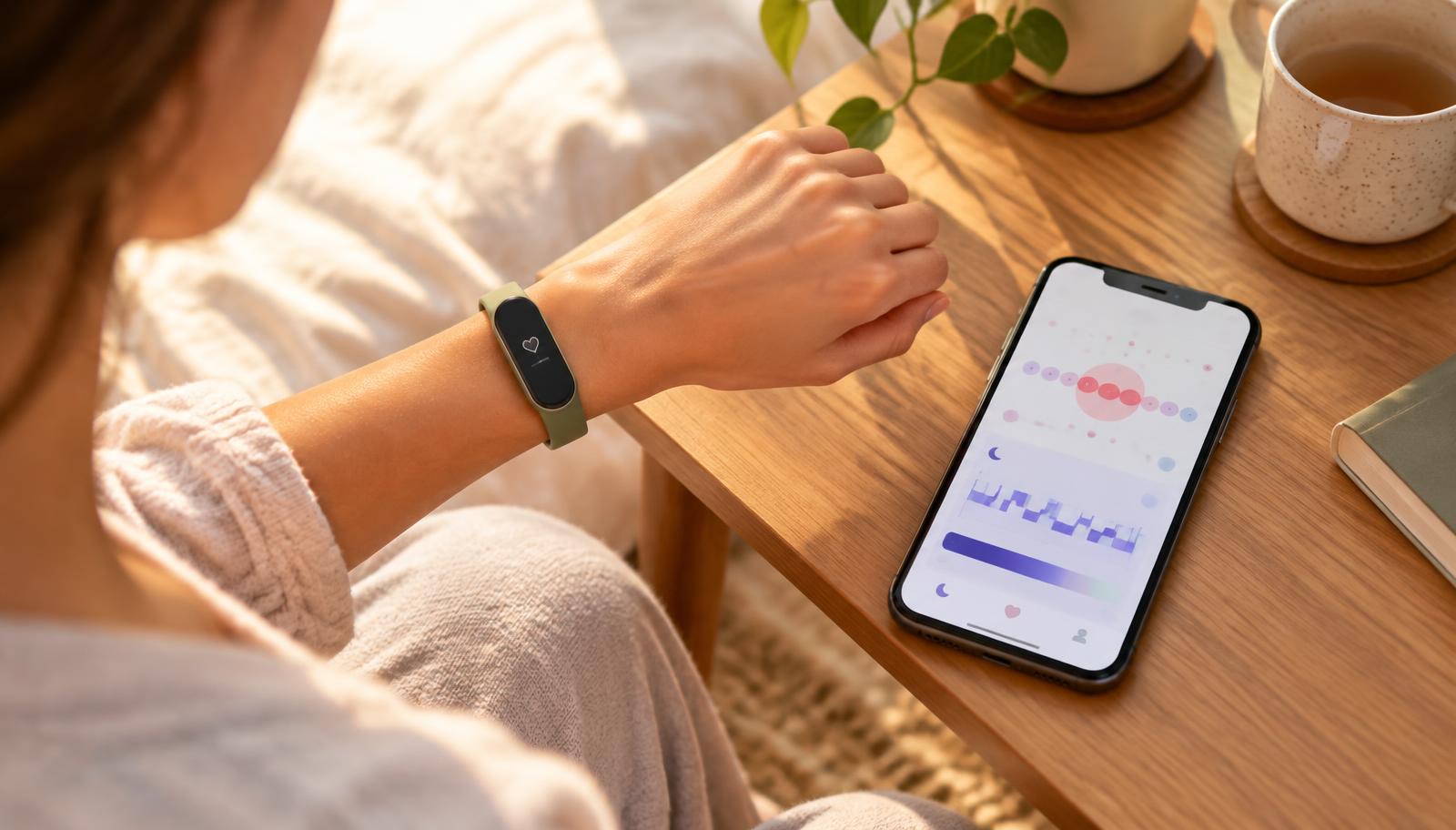
It's a wearable with no display. You read everything in a phone app, which keeps your attention off your wrist and usually extends battery life. The trade-off is that you can't check your heart rate or the time mid-workout.
Who should buy one
A screenless tracker suits you if you want sleep and recovery insights and dislike smartwatch distractions. Skip it if you need on-wrist stats, onboard GPS or maps.
The five best screenless trackers of 2026
Best value
Fitbit Air · $99
The Fitbit Air is subscription-free for core features and costs $99. Battery lasts about a week, and a five-minute charge adds another day. An optional Google Health Premium plan adds AI coaching and deeper insights, at $9.99 a month, but the core features work without a monthly fee. It works with both Android and iPhone.
- Pros: Lowest price, comfortable, quick charging, no subscription needed.
- Cons: Shorter battery life than WHOOP or CIRQA, and the best coaching is paywalled.
Best for Garmin users
Garmin CIRQA · $199
The CIRQA costs $199 with a claimed 10-day battery life, and has a button for starting activities. It provides sleep stages, HRV and pulse ox, plus Garmin's Training Readiness and Body Battery scores. It has no onboard GPS and relies on your phone. Some coaching and nutrition features require the paid Connect+ tier. Reviewers note that detailed feedback depends heavily on the Garmin Connect app, which can feel dense.
- Pros: No required subscription, strong recovery metrics, 10-day battery.
- Cons: Highest upfront price of the subscription-free options, phone-only GPS.
Best AI-first, no subscription
Luna Band · $149
The Luna Band is available worldwide for $149 with no subscription. It weighs 24 grams and offers 60+ workout modes, 10-day battery life and AI-powered LifeOS insights. GPS comes from your phone, not the band. One independent review cautions that the coaching is the main selling point but still an unproven promise.
- Pros: No subscription, light, good price for the feature set.
- Cons: Newer platform, so long-term software support is less proven.
Most unusual feature
Actxa Spark Band · $149
The Spark Band is a $149 screenless tracker with a one-minute, needle-free glucose estimate, 14-day battery life and no subscription. Treat the glucose feature with caution. It isn't continuous monitoring, and Actxa says it's for general wellness, not for diagnosing or managing diabetes. Pre-orders opened on September 24.
- Pros: Longest battery life here, unique feature, no subscription.
- Cons: Brand-new, so real-world accuracy still needs independent testing.
Read our full Actxa Spark Band guide.
Best for athletes
WHOOP 5.0 · From $199/year
WHOOP uses a membership model. Annual pricing is $199 for One, $239 for Peak and $359 for Life. One and Peak both use the WHOOP 5.0 with 14+ days of battery life. If you cancel, you keep the device but lose the app analytics that make it useful. Life includes the WHOOP MG hardware, which adds ECG and blood pressure insights.
- Pros: Deep recovery, strain and sleep coaching, long battery life.
- Cons: Ongoing cost, and the device is useless without a membership.
Comparison table
| Fitbit Air | Garmin CIRQA | Luna Band | Actxa Spark Band | WHOOP 5.0 | |
|---|---|---|---|---|---|
| Price | $99 | $199 | $149 | $149 | From $199/yr |
| Subscription | Optional | Optional | None | None | Required |
| Battery | ~7 days | ~10 days | ~10 days | Up to 14 days | 14+ days |
| Onboard GPS | No | No | No | Not specified | No |
Screenless tracker vs smartwatch vs smart ring
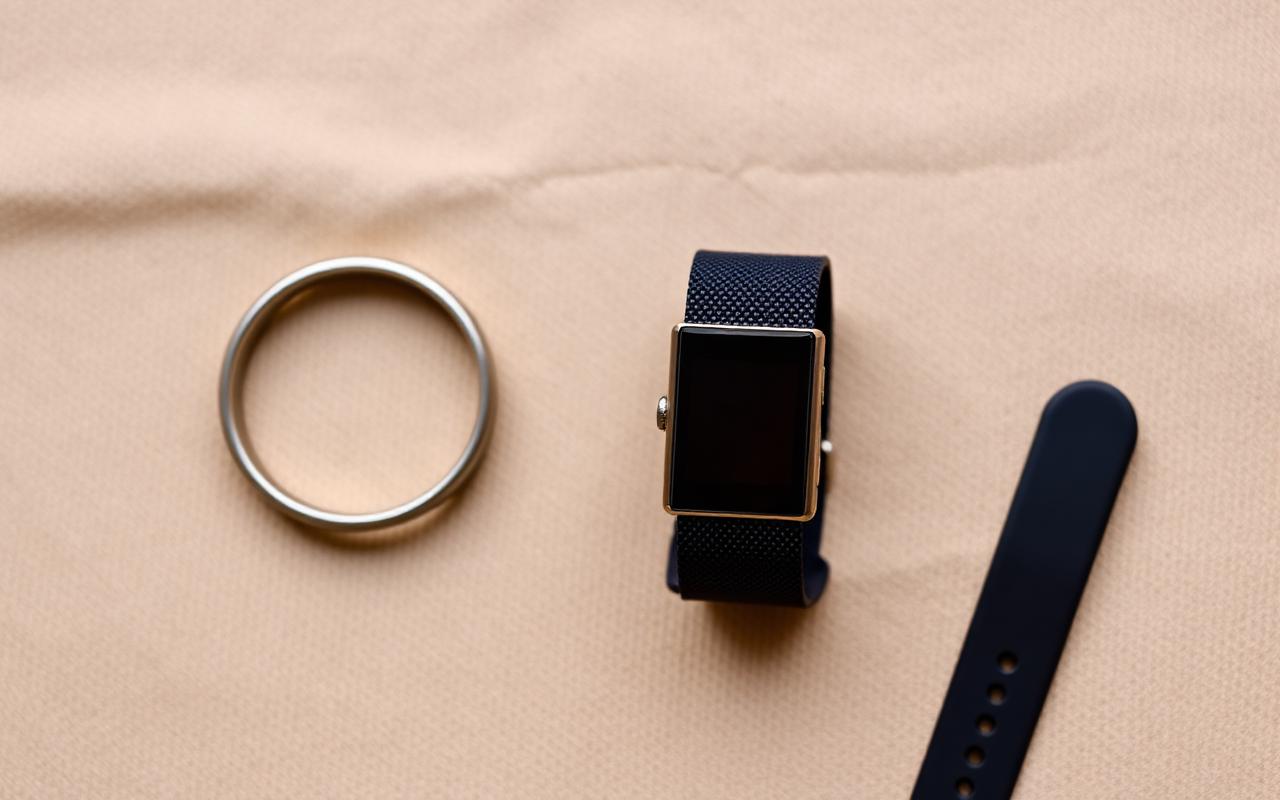
A smartwatch gives you live stats and GPS. A ring is the most discreet but usually costs more. A screenless band sits in the middle: cheap, comfortable and focused on long-term trends.
For a deeper head-to-head, see our CIRQA vs Whoop and Oura alternatives guides.
Frequently asked questions
Gadgets · September 8, 2026
Best Fitness Trackers Without a Subscription (2026)
fitness trackerwearablescreenlessReadGadgets · July 25, 2026
Screenless Fitness Tracker with No Subscription: Guide
fitness trackerwearablesleepReadGadgets · September 14, 2026
Garmin CIRQA Ring: What We Know So Far (Updated)
smart ringwearablegarminReadGadgets · July 30, 2026
Garmin CIRQA vs Whoop: Own It or Rent the System
fitness trackerwearablesleepRead