I Switched From a Smartwatch to the RingConn Gen 2 Air
May 26, 2026 · 8 min read
Check the price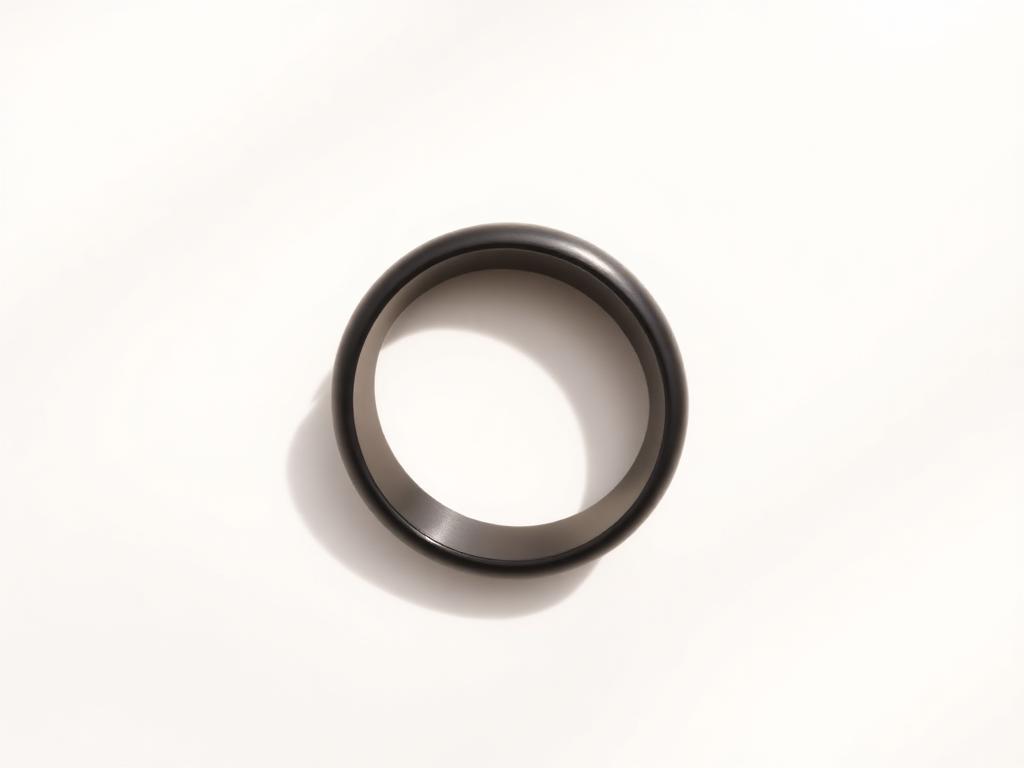
My Fitbit died in January. And honestly? I didn't replace it right away.
I wore it for years, charged it every other night, glanced at my step count like it actually meant something. When it stopped working, I just... didn't miss it that much. What I did miss was the sleep data. That part I found genuinely useful. The rest felt like noise.
So I started looking into smart rings. Mostly because a friend mentioned she'd switched and never looked back. I was skeptical — it sounds like a tech gimmick, right? A ring that knows your heart rate. Sure.
Three months later, I'm still wearing the RingConn Gen 2 Air, and I think about my old smartwatch maybe once a week, usually when I see someone else staring at their wrist during a conversation.
The subscription thing was the deciding factor
I'll be honest, I almost went with the Oura Ring. It's the one with the reputation. The one people talk about.
Then I did the math. $349 upfront. Plus $5.99 a month to actually see your data. Not to unlock extra features — just to access what the ring already collected about your own body.
Over two years, that's close to $500. For a ring.
The RingConn Gen 2 Air is $199. No monthly fee. No subscription. You buy it, you own it, you see your data. That's it.
I know that sounds like an obvious choice when you put it that way. But somehow the Oura marketing makes you feel like you're missing out if you don't choose them. I didn't miss out on anything.
What wearing it actually feels like
The first day, I kept noticing it. The sensors on the inside create two small bumps, and they press slightly against your finger. Not painful, just present.
By day four, I'd forgotten it was there.
I wear it in the shower, doing dishes, and at the gym. It's rated for 100 meters of water resistance, which feels like overkill, but I appreciate it. The stainless steel looks like a regular ring — nobody has ever asked me about it, which I consider a win.
One thing worth knowing: sizing matters a lot with smart rings. More than with regular rings. The sensors need contact with your skin to work properly. RingConn sends a sizing kit before you order the actual ring, which I didn't expect and thought was a nice touch.
The sleep data is where I got obsessed
I knew sleep tracking was part of the deal. I didn't expect to care about it this much.
Every morning, the app shows me the time spent in each sleep stage — REM, deep, and light. My heart rate through the night. Respiratory rate, which I'd never tracked before, turns out to fluctuate more than I thought. And a Sleep Score that, annoyingly, is almost always accurate to how I actually feel.
The annoying part is what I learned. I found out my deep sleep is significantly worse on nights when I eat dinner late. Not a little worse — a lot worse. I'd read that somewhere before and filed it under "probably true for other people." Seeing it in my own data, consistently, over six weeks, is a different thing.
That's the part no spec sheet tells you. It's not about the features. It's about what you do with the information over time.
The other stuff it tracks
Beyond sleep — heart rate 24/7, blood oxygen, heart rate variability (which is a measure of stress and recovery that I find more useful than a step count), respiratory rate, activity tracking, and women's cycle tracking.
The cycle tracking surprised me. I added it almost as an afterthought, and it's become one of the features I check most consistently. It pulls in data from your sleep and HRV to give context to how you're feeling on different days of the month. Simple but genuinely useful.
The fitness tracking side is more basic. If you run marathons and need detailed workout analysis, this probably isn't your ring. For general activity tracking, it's fine.
What about the Gen 3?
RingConn launched Gen 3 this year, and yes, it's better in a few ways. Vibration alerts, longer battery life (14 days vs 10), upgraded sensors. It costs around $299.
For someone buying their first smart ring, I'd still say Gen 2 Air. The $100 difference is real, and the Gen 2 Air covers everything that actually matters for daily health tracking. Gen 3 makes sense if you already own a Gen 2 and want the upgrade, or if you specifically want the vibration alerts.
But if you're new to this? Start here. See if you even like wearing a ring before spending flagship prices.
The actual verdict
I didn't expect to still be wearing this three months later. I thought it would end up in a drawer with the other wellness gadgets that seemed like good ideas at the time.
It didn't. Partly because the sleep data hooked me. Partly because $199 with no ongoing fees means I don't feel like I have to justify the purchase every month.
It's not magic. It's just a small ring that quietly pays attention while you get on with your life. For most people, that's enough.
Disclosure: This article contains affiliate links. If you purchase through our link, we may earn a small commission at no extra cost to you.
RingConn Gen 2 Air — Smart Ring
$199.00 · No subscription
Sleep stages, HRV, SpO2, 24/7 heart rate, cycle tracking. 100m water resistant. 10-day battery. One-time purchase, no monthly fee.
See the RingConn Gen 2 Air on AmazonAffiliate link. Same price for you, small commission supports VitalHub.