I Already Have a Smart Ring and a Garmin. So, Why Did I Add a Whoop?
May 26, 2026 · 8 min read
Check the price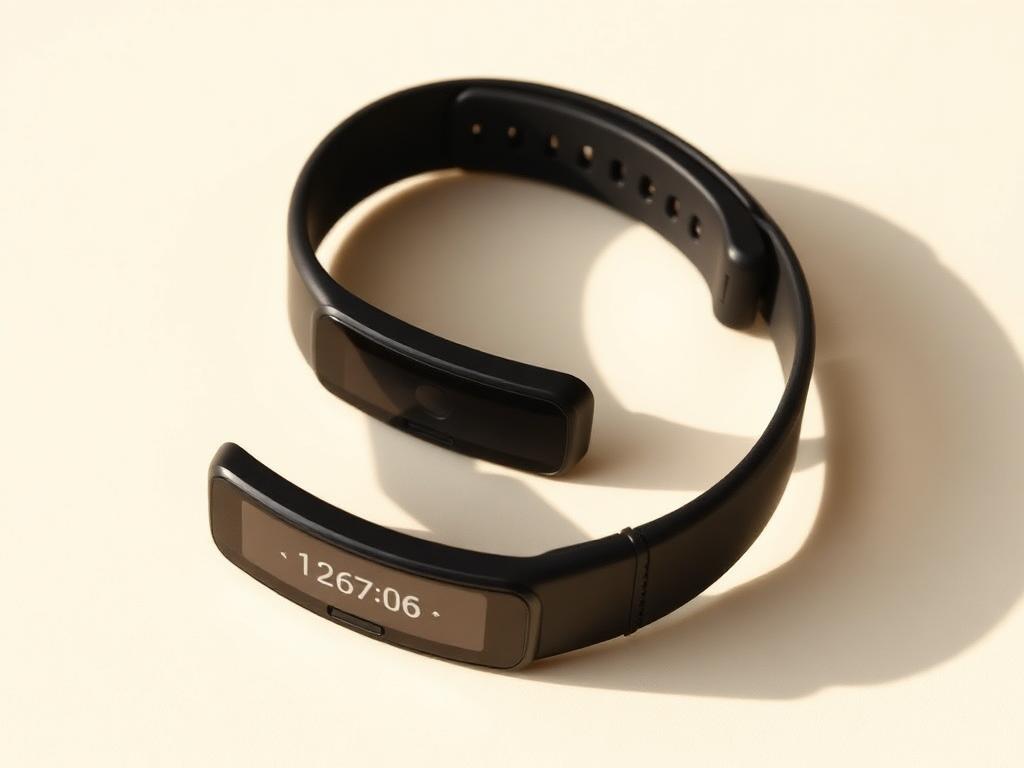
Honestly, I asked myself the same question before ordering it.
I already track my sleep with a ring. I already log my workouts on a Garmin. I take magnesium every night, omega-3s in the morning, and ashwagandha when stress creeps up. I thought I had a pretty solid system going.
But something kept bothering me. I couldn't tell if any of it was actually working. Like — was my HRV improving because of the magnesium, or just because I happened to sleep eight hours that week? I had no way to know. It was all guesswork dressed up as a routine.
That's when I decided to try the Whoop 5.0. A few months in, here's what I actually think.
What Whoop Does That Nothing Else Does
No screen. That's the first thing people notice, and it sounds like a downside until you wear it for a week.
You strap it on — wrist, bicep, or tucked into special clothing if you want to go full stealth mode — and it just runs in the background. No notifications. No temptation to check the time. No glow in the middle of the night. Just sensors collecting data while you live your life.
Every morning, you open the app and get your Recovery Score. Zero to 100. Green means go. Red means maybe don't schedule a hard workout today.
What goes into that number? Heart rate variability, resting heart rate, respiratory rate, and sleep quality. Not just how long you slept — how well. It's a different question, and the answer is often more uncomfortable.
The 2026 version also added real-time stress monitoring, something I use more than I expected. And if you upgrade to the MG model, you get ECG and blood pressure trends built in.
Battery life is genuinely good — I regularly get 14 days, sometimes more.
The Part That Actually Changed How I Think About My Supplements
I've been taking magnesium bisglycinate for over a year. I knew it helped my sleep — I felt it. But feeling something and seeing it in data are different things.
About three weeks into wearing the Whoop, I started noticing patterns. On nights I took magnesium consistently and avoided late meals, my recovery score would land in the 70s or 80s. On nights I skipped it or ate dinner at 9 pm, I'd wake up to a 52. Same sleep duration. Very different quality.
That's not a massive scientific study. It's one person's data. But it's my data, which is more useful to me than a clinical trial on a population that isn't me.
The journal feature helps a lot here. You log habits — supplements taken, alcohol, workout timing, caffeine cutoff — and over weeks, the app starts showing correlations. It's not perfect, but it's the closest I've found to actually understanding my own body.
Whoop vs Garmin vs Smart Ring — The Honest Take
Since I use all three, I might as well address this directly.
Garmin is better for training. GPS, sport modes, real-time pace, and heart rate on your wrist — nothing beats it during a workout. Whoop doesn't try to compete here.
A smart ring is better for sleep baseline and discretion. It's the most comfortable thing to sleep in, and the passive tracking is excellent. I still wear mine every night.
Whoop does something neither of them does particularly well: it tells you what to do about your data. The coaching is more direct. The recovery framing is clearer. And the strain score — which measures total cardiovascular load across the whole day, not just your gym session — gives you a picture of stress that a watch mostly misses.
Do you need all three? Probably not. But if you're already using a ring and a Garmin and you're still wondering why your recovery feels inconsistent despite doing everything right, Whoop is the missing piece I didn't know I needed.
The Downsides Nobody Mentions First
It's subscription-based. The hardware comes with a membership — monthly or annual — and the newest features (stress monitoring, healthspan insights) are behind the higher-tier plans. That's a legitimate criticism, and it's fair to factor it into the decision.
The data can feel overwhelming in week one. There's a learning curve. Give it 30 days before you judge it.
And it's not pretty. If you care about how your wearable looks, this isn't it.
So, Is It Worth It?
For me, yes. But only because I was already committed to understanding my health through data — and already had supplements, sleep habits, and training in place that I wanted to measure more accurately.
If you're just starting out, I'd probably say begin with a smart ring or a Garmin first. They're more intuitive and cover more ground for general use.
But if you're already past that stage — if you're adjusting your magnesium dose based on sleep data and wondering whether your recovery would improve if you cut caffeine at noon — then Whoop is the tool that answers those questions. It doesn't just track. It pushes back.
That, for me, is the difference.
This article contains affiliate links. If you purchase through our link, we may earn a small commission at no extra cost to you.
Whoop 5.0 — Recovery & Strain Tracker
From $239.00
No screen, 14-day battery, recovery score, strain, real-time stress monitoring and sleep coaching. Wear it on wrist, bicep or in apparel.
Check the Whoop 5.0 on AmazonAffiliate link. Same price for you, small commission supports VitalHub.