Samsung Galaxy Watch9 vs Galaxy Watch8: Is It Worth Upgrading?
August 7, 2026 · 6 min read
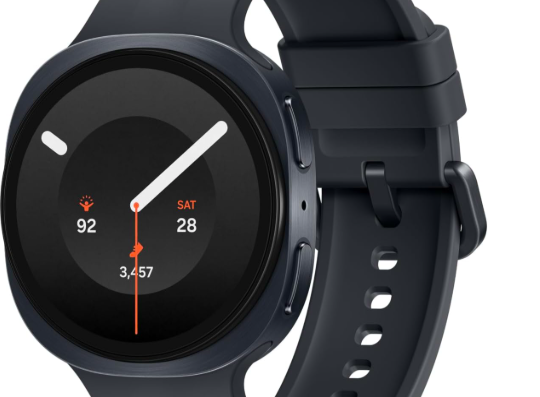
Samsung's Galaxy Watch9 has officially launched, bringing a new processor, upgraded battery, and expanded AI health features to the lineup. For anyone who already owns a Galaxy Watch8, the question is simple: does this upgrade actually matter?
At a Glance
| Spec | Galaxy Watch9 | Galaxy Watch8 |
|---|---|---|
| Processor | Snapdragon Wear Elite (3nm, on-device AI) | Exynos W1000 (3nm) |
| Battery — 40mm | 390mAh (+20%) | 325mAh |
| Battery — 44mm | 445mAh (+10mAh) | 435mAh |
| Sensor | BioActive sensor | BioActive sensor (same) |
| New health tools | Vitals, Heart Health Score, Daily Cardio Load, Fitness Index | Daily Cardio Load and related tools via software update |
| Band system | Dynamic Lug System | Dynamic Lug System (interchangeable) |
| Design & display | Largely unchanged | Largely unchanged |
| Best case for upgrading | 40mm owners wanting real battery gains | 44mm owners can comfortably wait |
Battery life: the real difference
The 40mm Watch9 receives a substantial 20% battery-capacity increase over its Watch8 equivalent. That jump takes the 40mm model from 325mAh to 390mAh — a change that directly addresses one of the Watch8's most common complaints: struggling to make it through a full day with the always-on display enabled.
The 44mm version tells a different story, gaining just 10mAh, moving from 435mAh to 445mAh. That's a marginal gain, and it makes the case for upgrading much weaker at the larger size.
Processor and AI features
Both watches use a 3nm processor, but the Watch8 runs Samsung's Exynos W1000, while the Watch9 switches to Qualcomm's Snapdragon Wear Elite with built-in AI features. In daily use — scrolling apps, tracking workouts — the difference is unlikely to be dramatic, since both chips already handle the basics smoothly.
Health tracking: same sensor, new software
The Watch9 adds Vitals, Heart Health Score, Daily Cardio Load, and a Fitness Index that tracks strength, endurance, cardio, flexibility, and body composition. Here's the catch: many of these tools arrive through a software update rather than new hardware, and Daily Cardio Load is also reaching Galaxy Watch7 and newer models. Since the Watch9 uses the same BioActive sensor, both watches should deliver a very similar health-tracking experience over time.
Band compatibility
Samsung has retained the Dynamic Lug System from the Watch8 generation, meaning existing Watch8 and Watch8 Classic bands work with the Watch9 without any need to replace an existing collection. Galaxy Watch Ultra bands, however, use a different connection and are not interchangeable.
The verdict
Watch9 is a much more convincing improvement at 40mm, while the 44mm model functions mainly as a processor and software-support update. Current Watch8 owners considering an upgrade should weigh size carefully — the smaller model makes a far stronger case than the larger one.
Related reading: our full Galaxy Watch9 review and the Galaxy Watch Ultra2 review.
This post contains affiliate links. VitalHub may earn a commission on qualifying purchases at no extra cost to you.
Frequently asked questions
Gadgets · July 22, 2026
Samsung Galaxy Watch9: Full Review of Features & Specs
smartwatchwearablefitness trackerReadGadgets · September 11, 2026
Apple Watch Series 12 vs Series 11: Is It Worth Upgrading?
smartwatchwearablesleepReadGadgets · July 22, 2026
Galaxy Watch Ultra2 Review: Built for Dive & Trail Sports
smartwatchwearablefitness trackerReadGadgets · September 23, 2026
Apple Screenless Fitness Tracker: Release Date & Features
fitness trackerwearablesleepRead