Huawei Watch D3 Review: Real Blood Pressure From Your Wrist
September 14, 2026 · 6 min read
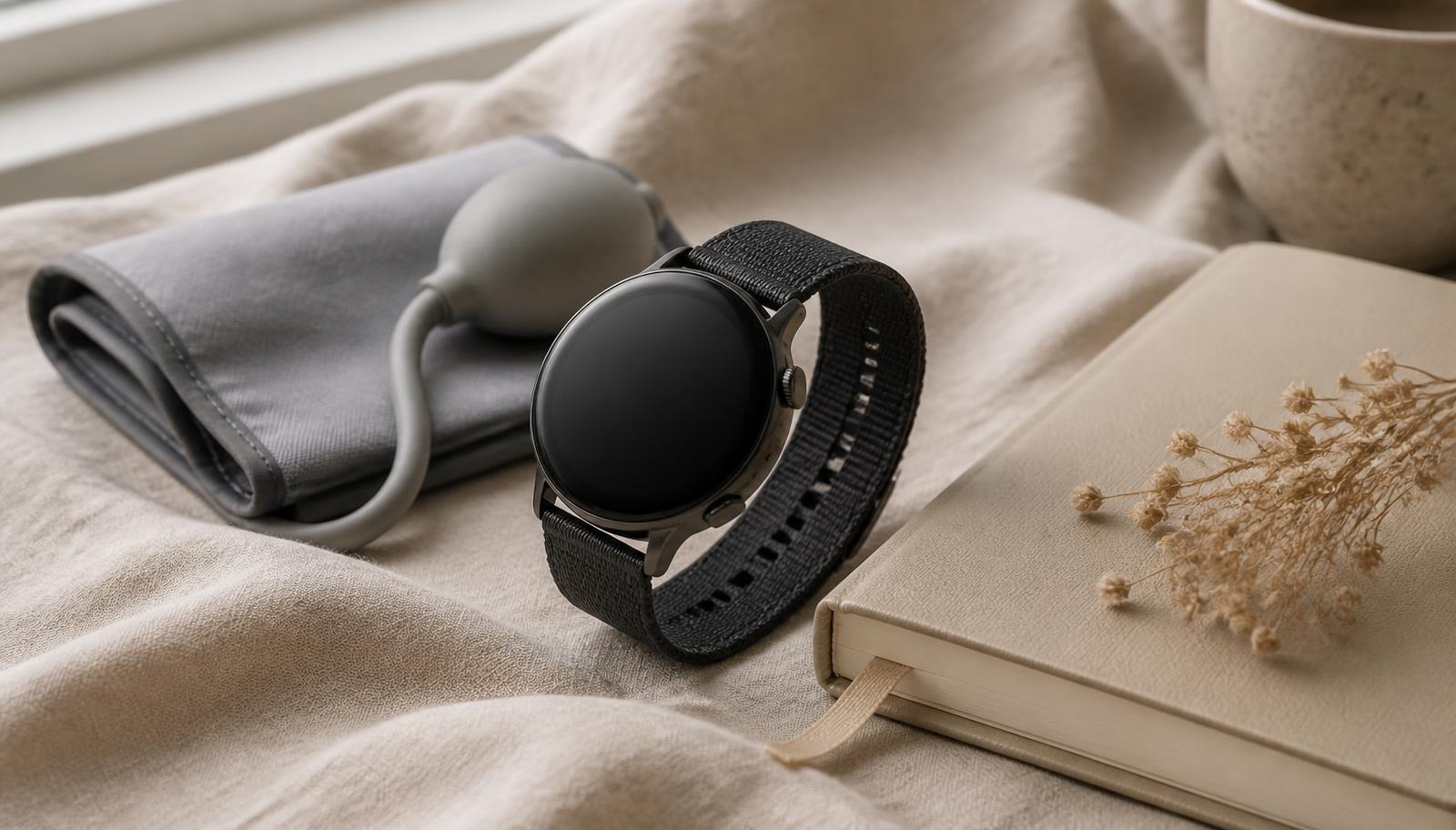
Most smartwatches guess at your health. They estimate stress from heart rate, infer sleep quality from how still you lie, and call it a day. The Huawei Watch D3 does something different: it inflates a tiny cuff around your wrist and takes a real blood pressure reading, the same way a doctor’s office would, except it can do it automatically through the night while you sleep.
The Headline Feature: A Cuff on Your Wrist
The headline feature is built on a genuinely clever piece of engineering. A mechanical airbag inside the wristband applies gentle, targeted pressure, paired with a high-precision sensor and an algorithm that adapts to your body over time. It’s medically certified, not a wellness gimmick tacked onto a fitness tracker.
That matters because blood pressure is one of the few health metrics where an estimate is not good enough. Optical PPG sensors can hint at trends, but they cannot replace an actual pressure reading. For anyone asked by a doctor to monitor blood pressure regularly, the Watch D3 removes the friction of dragging out an arm cuff.
Thinner, Lighter, Still Serious About Health
Huawei managed to shrink the D3 down noticeably compared with its predecessor, and the difference is the kind you actually feel on your wrist all day. It’s slim enough now to pass for a regular smartwatch rather than a medical device you’re wearing out of necessity.
Underneath that slimmer shell, the watch is still packed with sensors:
- ECG
- Heart rate
- Blood oxygen
- Skin temperature
- Full sleep tracking
- Built-in GPS
A new feature called Health Glance pulls together up to eleven of these readings into one quick check, so instead of digging through menus, you get a snapshot of how your body’s doing in under a minute. The screen also got bigger, so those numbers are actually easy to read rather than squinting at tiny digits on your wrist.
Battery Life That Keeps Up
Expect around six days of typical use, which is solid for a device doing this much continuous health monitoring in the background. Keeping automatic overnight blood pressure tracking switched on will use more power, so it’s worth knowing that trade-off exists — more data, shorter battery life, as is usually the case with health wearables.
Who It’s Actually For
This isn’t really a watch for someone chasing running splits or swim metrics. It’s built for people who need to keep an eye on their blood pressure regularly — whether that’s a doctor’s recommendation, a family history worth watching, or just wanting real data instead of a guess. For that person, having a device this unobtrusive do the monitoring passively, especially overnight, is a genuinely useful upgrade over a bulky arm cuff sitting in a drawer.
Disclosure: VitalHub earns a commission if you buy through the retail link below. This does not affect our editorial assessment.
Check Huawei Watch D3 price on AmazonHuawei Watch D3: At a Glance
| Spec | Detail |
|---|---|
| Blood pressure | Micro-cuff inflation + medical-certified algorithm |
| ECG | On-demand electrical heart readings |
| Heart rate / SpO2 | Continuous optical monitoring |
| Skin temperature | Nightly baseline tracking |
| GPS | Built-in, no phone required for outdoor workouts |
| Sleep tracking | Full sleep stages plus overnight BP checks |
| Health Glance | Up to 11 metrics in one quick snapshot |
| Battery | ~6 days typical use; less with nightly BP on |
| Design | Slimmer and lighter than the previous Watch D generation |
Huawei Watch D3 vs Oura Ring 5
The two devices answer different questions. The Huawei Watch D3 is the only one of the pair that gives you a measured blood pressure number and an ECG, so it wins for anyone tracking cardiovascular health. The Oura Ring 5 is far more comfortable overnight and better at sleep staging, HRV and readiness, but every blood-pressure-style figure it shows is an optical trend, not a reading.
If you want the full breakdown — accuracy, battery, comfort and price — read our Huawei Watch D3 vs Oura Ring 5 comparison, or see how a ring with ECG built in stacks up in the Circular Ring 3 Pro review.
Already comparing other health-focused watches? Read our Apple Watch Series 12 vs Ultra 4 breakdown or the Huawei Watch GT 7 review for a lighter, longer-battery alternative.
Huawei Watch D3 vs Oura Ring 5
| Spec | Huawei Watch D3 | Oura Ring 5 |
|---|---|---|
| Key health features | Measured blood pressure, ECG, SpO2, sleep, skin temperature | Sleep stages, HRV, temperature, readiness and recovery |
| Blood pressure | Measured with an inflatable micro-cuff | Optical trend insights; not a cuff reading |
| Battery | Around 6 days; less with overnight BP enabled | Around 6–9 days |
| Design | Screened smartwatch with a specialist cuff strap | Lightweight, screenless titanium ring |
| Pricing | One-time device purchase; retail price varies | Device purchase plus membership for full insights |
| Ideal use | Regular blood-pressure checks, ECG and GPS workouts | Comfortable overnight sleep, HRV and recovery tracking |
Retail prices vary by country and seller; compare the total cost, including Oura membership, before buying.
Frequently asked questions
Gadgets · September 14, 2026
Huawei Watch D3 vs Oura Ring 5: Blood Pressure or Sleep Tracking?
smartwatchwearableblood pressureReadGadgets · August 28, 2026
Huawei Watch GT 7: What's New in the Latest GT
smartwatchwearablesleepReadGadgets · September 11, 2026
Apple Watch Series 12 vs Ultra 4: Which Should You Buy?
smartwatchwearableheart rateReadGadgets · September 11, 2026
Apple Watch Series 12 vs Series 11: Is It Worth Upgrading?
smartwatchwearableheart rateRead